Sediment Control During Spring Drawdown

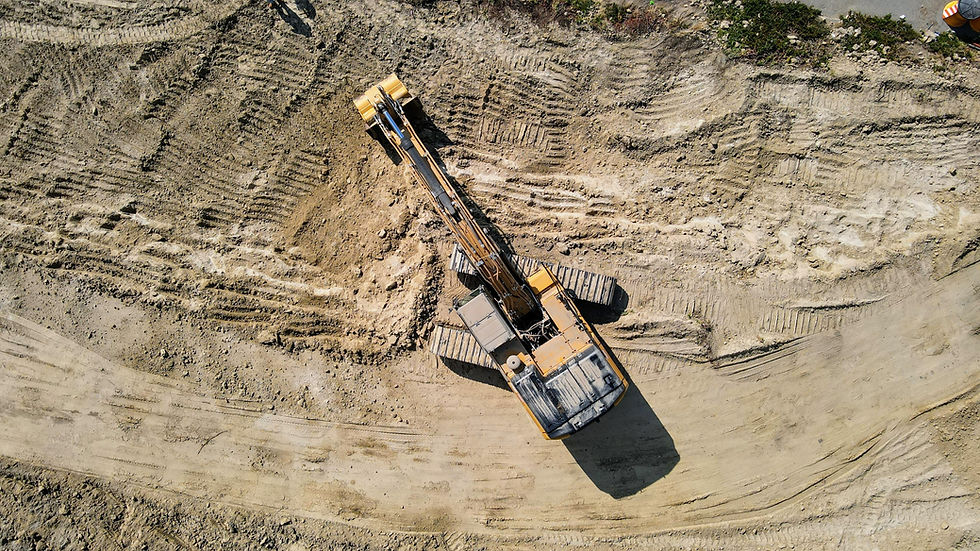
Clean discharge starts with drawdown.
Spring drawdown can turn clear water into cloudy water fast. When groundwater levels shift and excavation progresses, fines move, turbidity spikes, and a discharge plan that looked easy becomes a filtration and compliance problem.
The key is to treat sediment control as part of the drawdown strategy, not just something you bolt on at the discharge point.
Tip: Slow drawdown reduces fines.
Why spring drawdown increases turbidity risk
Spring conditions create the perfect mix for sediment movement:
Soils soften as frost leaves the ground
Melt and rain increase inflow and velocity
Excavations expose loose fines and disturbed layers
Rapid drawdown can pull fines into the flow path
Pumping from sumps can stir sediment continuously
Trench and excavation walls slough when saturated
In municipal work, this matters because discharge standards are often strict, and storm systems are sensitive to sediment loading.
Turbidity control starts before the filter
Filtration is important, but filtration performs best when you reduce the sediment load upstream. That starts with how you draw water down and how you collect it.
Two truths that help
The faster the water moves, the more sediment it carries
The more you disturb the intake zone, the worse water quality gets
Tip: Slow drawdown reduces fines.
Drawdown strategies that reduce fines
1) Avoid aggressive drawdown when soils are fine or unstable
Rapid drawdown can create higher gradients that pull fines toward intakes. It can also destabilize trench walls and subgrades.
A controlled approach reduces sediment movement and can improve ground stability.
Practical actions:
Stage drawdown in steps where feasible
Use multiple points to spread influence instead of one hard pull
Avoid over-pumping just to “get ahead” if it increases turbidity
2) Choose collection methods that do not stir sediment
Sumps and trenches are fast and common, but they can churn sediment if not managed carefully.
Ways to reduce churn:
Use sediment socks or screens where appropriate
Place intakes away from heavy sediment zones
Keep intake off the bottom with proper spacing
Maintain stable sump geometry rather than constantly reworking it
3) Protect intakes from construction debris and disturbed soils
Spring sites shed material. Grit, fines, and debris clog strainers and spike turbidity.
Practical actions:
Clean strainers on a set schedule, not only when flow drops
Use pre-screening or pre-filtration where practical
Limit traffic and disturbance near collection zones
4) Manage flow velocity in piping and discharge routing
High velocity can keep fines suspended longer and increase erosion at discharge points.
Practical actions:
Use appropriate hose and pipe diameter for flow
Reduce sharp turns and unnecessary fittings
Use energy dissipation at discharge points
Avoid routing that forces steep drops and washouts
Filtration tactics that perform better during spring drawdown
If water quality is variable, filtration needs to be designed for realistic conditions, not ideal conditions.
Build filtration for spring realities
Size filtration for peak flow and peak turbidity days
Plan parallel trains so you can keep running during maintenance
Plan for media changes, cleaning, and access
Include sampling points and documentation steps if required
Do not forget maintenance
Spring turbidity loads filters quickly. If maintenance is not built into the plan, capacity drops and discharge compliance fails.
Tip: Slow drawdown reduces fines.
Common mistakes that cause muddy discharge
Over-pumping and aggressive drawdown in fine soils
Using sumps without sediment controls
Placing intakes directly in disturbed areas
No upstream sediment management, relying only on filters
Undersizing filtration for turbidity spikes
No maintenance plan, filters clog and bypass happens
Poor discharge point protection, causing erosion and re-suspension
A practical municipal checklist for sediment control during drawdown
Before mobilization or as spring conditions change, confirm:
Drawdown strategy matches soil conditions and excavation sequencing
Collection points reduce sediment disturbance
Intake protection and strainer cleaning plan is defined
Filtration is sized for peak flow and peak turbidity
Maintenance access is realistic during soft ground conditions
Discharge point has erosion control and energy dissipation
Sampling and documentation requirements are understood
Clean discharge starts with drawdown. If you control sediment early, filtration works better, discharge stays compliant, and the job moves with fewer stops.
Bottom line
Spring drawdown can create turbidity quickly, but most sediment issues are preventable with controlled drawdown, smart collection, and filtration designed for peak conditions.
Clean discharge starts with drawdown. Book a preliminary water plan review → academywater.ca
Tip: Slow drawdown reduces fines.


Comments